AI workforce reckoning hit Ford and General Motors on April 12, 2026, slashing labor costs 15% through automation. Blue- and white-collar workers pivot to AI-adjacent roles amid market volatility. Executives capture $4.4 trillion USD in savings by prioritizing upskilling now.
Automation Fuels 15% Cost Savings
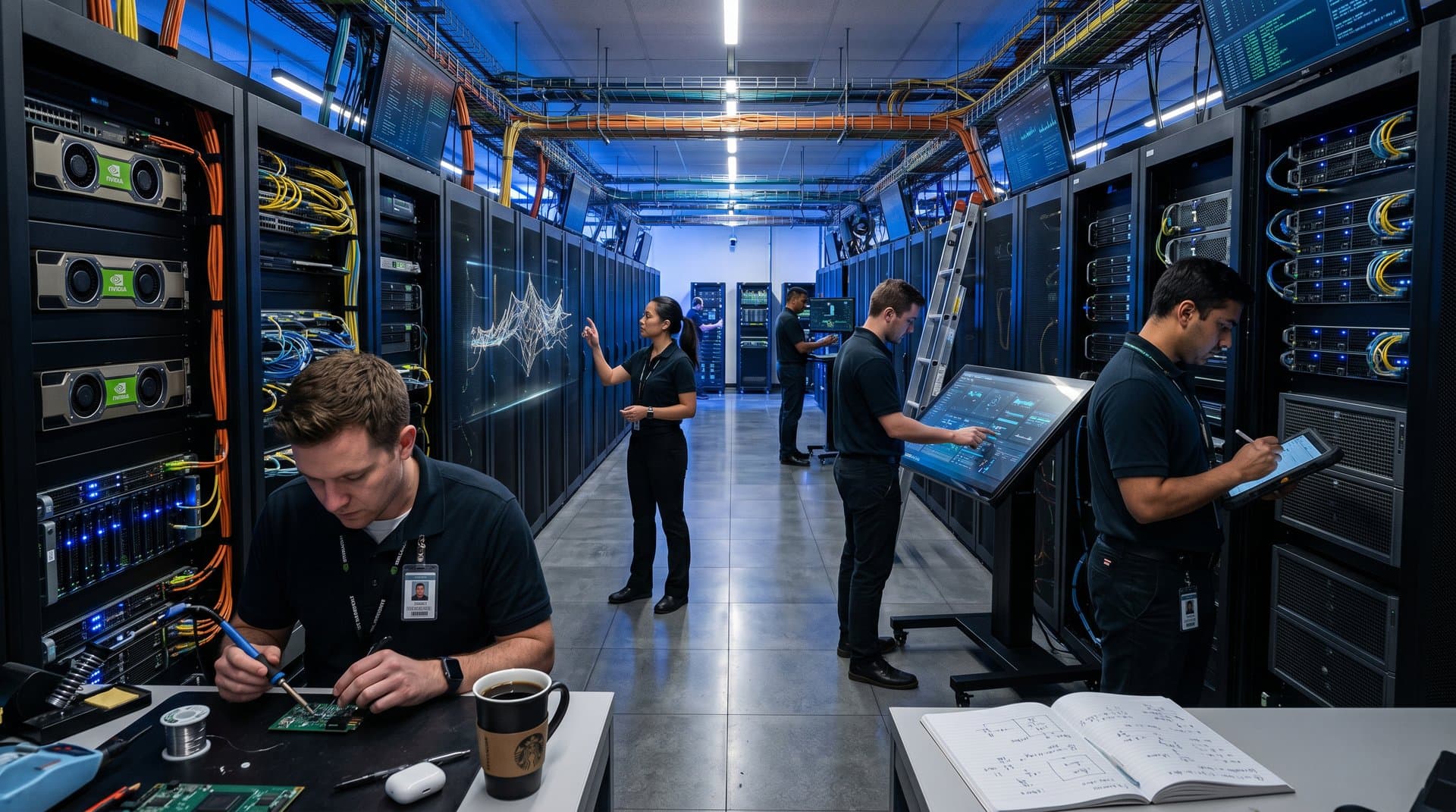
Ford Motor Company raised productivity 12% with robotic assembly lines, according to Q1 2026 filings. General Motors cut welding labor 18% using AI-guided robots. PwC reports 45% of finance tasks now run on AI platforms like BlackLine.
McKinsey Global Institute projects $4.4 trillion USD annual savings by 2030 across 15 sectors. This average 15% reduction—blending automotive gains—forces competitors to automate or lose margins. Laggards face 20% cost disadvantages within 12 months.
Blue-Collar Front: Pivots Under Pressure
Waymo expanded self-driving fleets 20% year-over-year, shifting driver John Ramirez to maintenance engineering. GM factory welder Sarah Kline reskilled in robot programming through company programs, securing a 10% pay increase to $49,500 USD annually.
AI drones sped construction 25%, per Boston Dynamics metrics. U.S. Bureau of Labor Statistics shows blue-collar wages flat at $45,000 USD median. Firms reinvest savings into AI capex, not raises, widening the skills gap by 15%.
Job automation displaces 2.1 million U.S. manufacturing roles by 2028, BLS forecasts, but creates 1.5 million in robotics maintenance.
White-Collar Siege: Reskilling Race
Intuit's TurboTax AI processed 70% of returns, prompting CPA firms to cut staff 30%. HubSpot trimmed content teams 22% as marketers shifted to Jasper AI for copy generation. Thomson Reuters reduced paralegal hours 40%, saving $500,000 USD per office yearly.
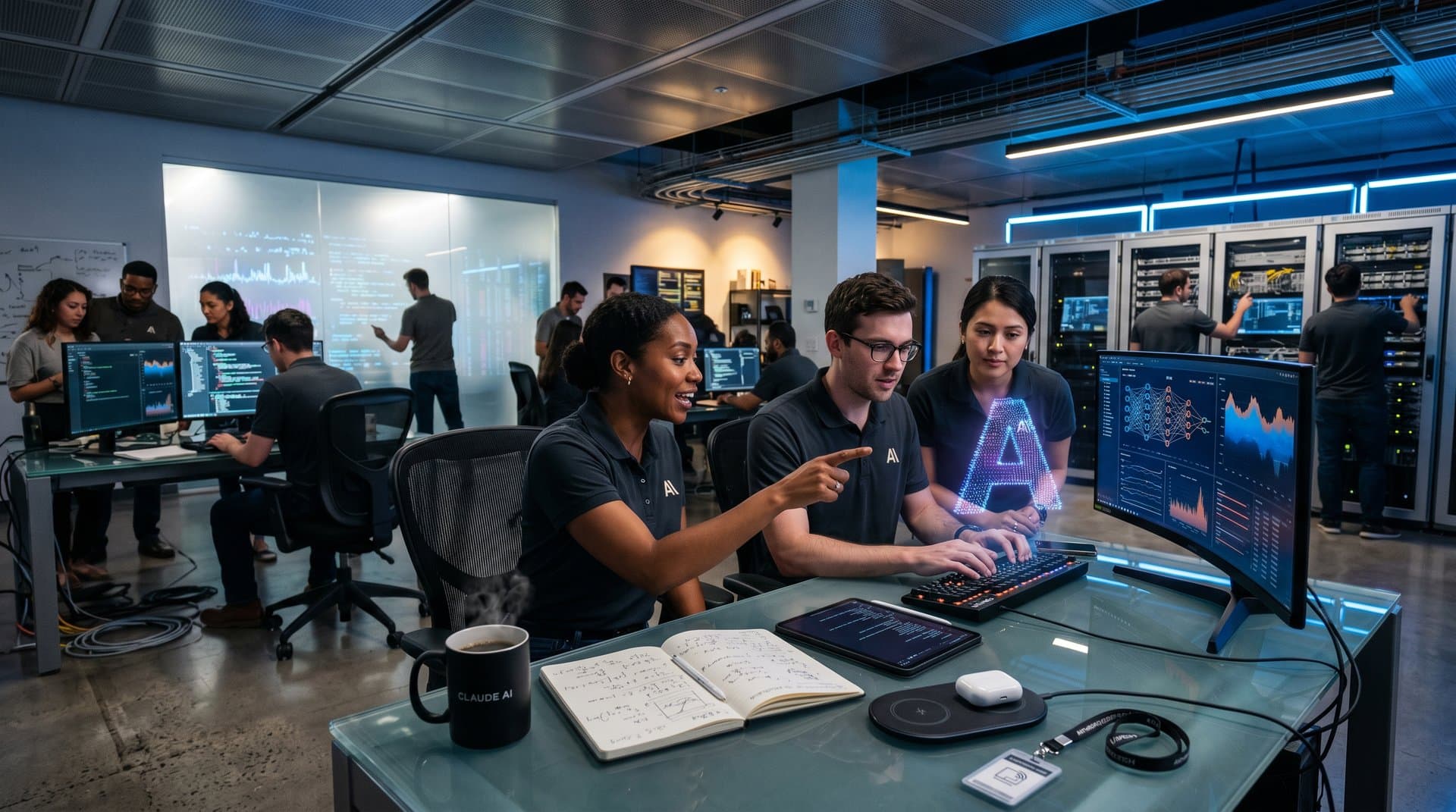
Microsoft's GitHub Copilot boosted developer output 55%, per internal benchmarks. Coders now focus on system architecture and AI oversight. Deloitte estimates 25% of white-collar tasks automate by 2027, demanding rapid credentialing.
Tactics for Survival and Adaptation
Coursera logged 35% growth in AI enrollments year-over-year. Amazon committed $1.2 billion USD to retrain 300,000 workers for data science and AI ops roles.
Upwork reports 28% rise in AI freelance gigs; Kline earns $60 USD hourly tuning bots. United Auto Workers negotiated 5% raises linked to AI productivity targets. Executives deploy hybrid models: 60% automation, 40% human-AI teams.
Markets React to AI Workforce Reckoning
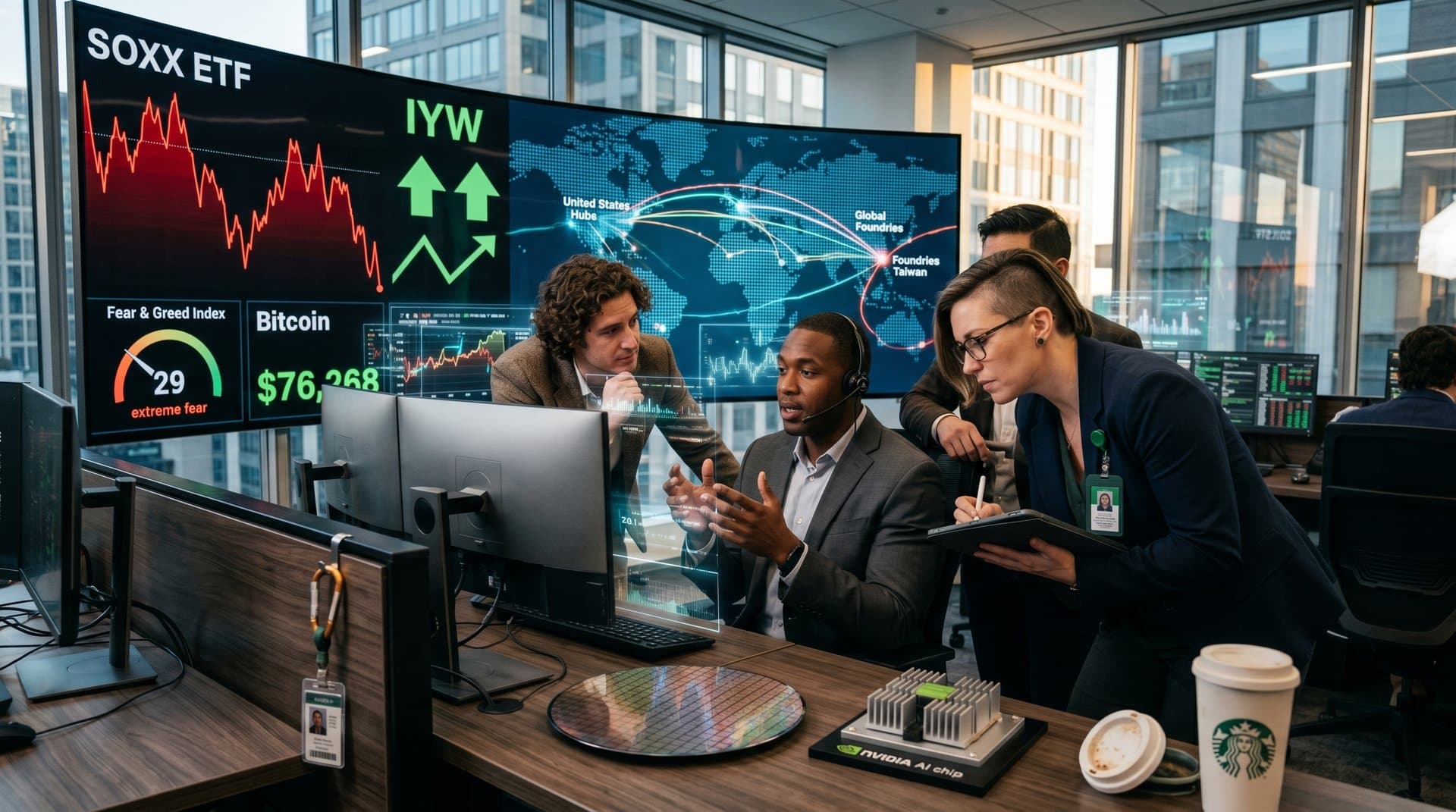
CNN Fear & Greed Index fell to 16, extreme fear territory. Bitcoin slid 2.3% to $71,096 USD; Ethereum dropped 2.0% to $2,196.32 USD; XRP eased 0.8% to $1.33 USD, per CoinMarketCap.
Google's 5% layoffs pulled Nasdaq futures down 1.5%. S&P 500 lost 1.2% on recession signals. Volatility spikes 30% as investors price in 2-3% unemployment rises short-term.
Policy Shields Labor Markets
U.S. AI Accountability Act offers $5,000 USD retraining credits per worker; Senate passes May 2026. EU mandates impact assessments for high-risk AI. China subsidizes factory automation, lifting GDP 5.2%, World Bank states.
International Labour Organization flags 300 million global jobs at risk by 2030. Nations pilot UBI at $1,000 USD monthly to ease transitions. Policies lag tech pace, urging firms to self-fund reskilling.
Finance Playbook: Act Now
JPMorgan saved $200 million USD annually with AI tellers; shares rose 3%. Stripe cut fraud 25% via AI models. Small firms balk at $50,000 USD setup costs, NFIB survey reveals.
Goldman Sachs sees 2% U.S. unemployment peak, then AI-driven creation of 97 million jobs by 2030. Finance leaders allocate 5% budgets to upskilling, diversify into AI ETFs. Sequoia Ventures invested $500 million USD in reskilling platforms.
AI workforce reckoning requires 10% of payroll for training funds. Early adopters lock in efficiency edges while hedging volatility through diversified portfolios.