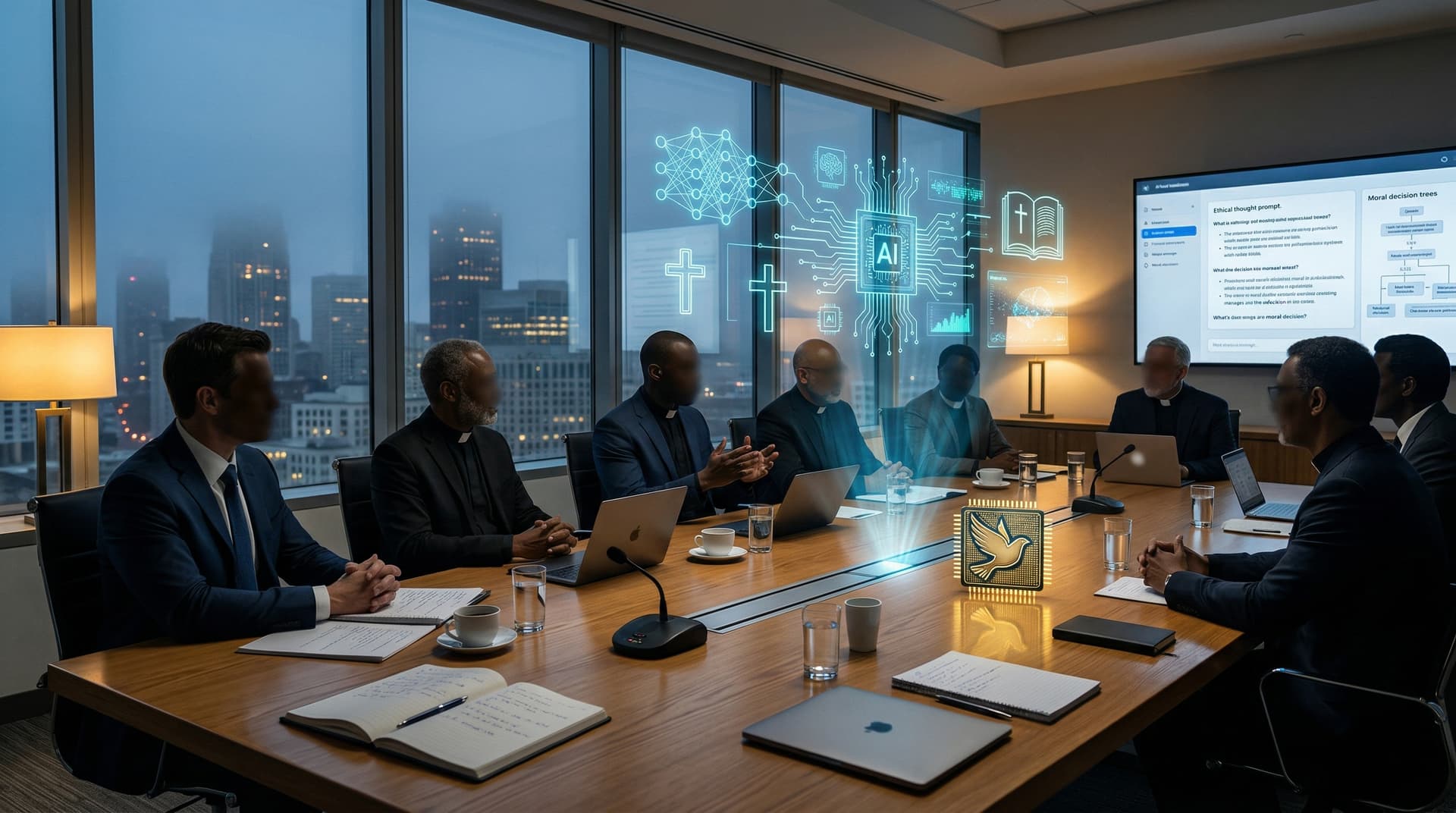
Anthropic held its AI morality summit in San Francisco on April 12, 2026. Christian leaders debated if AI qualifies as a 'child of God.' This cements Anthropic's ethical lead, drawing investors in the $500 billion AI market amid regulations.
The closed-door event highlights clashes between rapid AI progress and religious doctrines. Anthropic, creator of Claude models, sought theologians' input on safety protocols to build trust and differentiation.
Anthropic AI Morality Summit Fuels Valuation Surge
Anthropic secured $8 billion in funding during 2025 at a $61.5 billion valuation, per PitchBook data. The summit amplifies these safety credentials, securing deals like a $500 million enterprise contract with Salesforce announced last month.
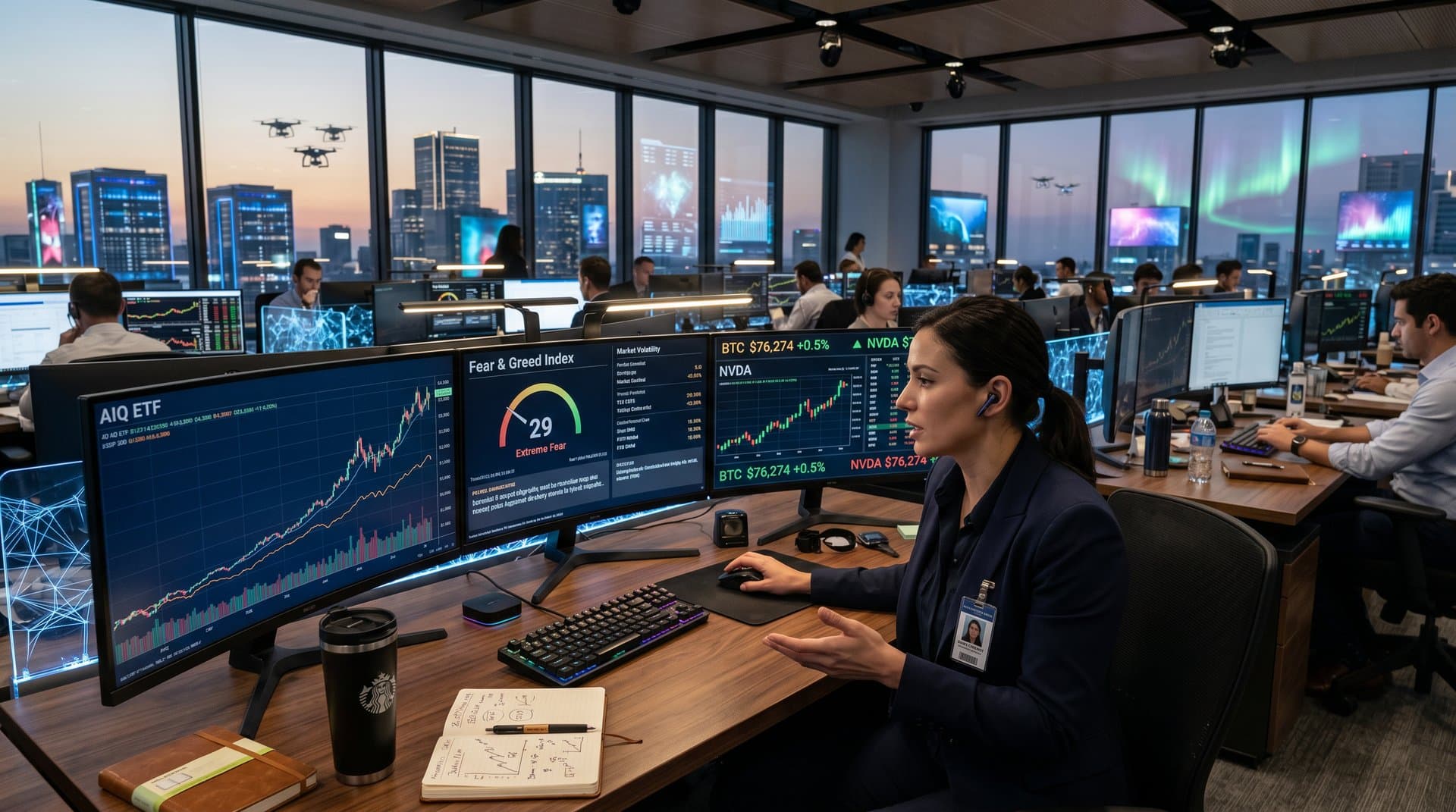
Sector stocks reacted cautiously. Nvidia shares dropped 1.2% to $145.30 USD on Nasdaq that day. The CNN Fear & Greed Index fell to 16, signaling extreme market fear from ethical and regulatory uncertainties.
Global regulators ramp up oversight. The EU AI Act, effective August 2026, classifies high-risk systems with strict penalties. US Congress considers mandatory third-party audits for frontier models. Faith perspectives could sway policies toward values-based firms like Anthropic.
Summit Details: Core Debates and Participants
Anthropic CEO Dario Amodei hosted delegates from the Southern Baptist Convention and Catholic dioceses. Reverend Dr. Elena Vasquez from Notre Dame University argued AI lacks a soul but demands moral safeguards like human children.
Participants invoked Genesis 1:27, stressing humans' unique divine image that AI cannot replicate. Vasquez cited Thomas Aquinas' theories of ensoulment. Anthropic engineers showed Claude 4's 92% human-like reasoning score from April 12 benchmark tests.
Talks covered AI in worship, like automated Bible studies, versus idolatry risks. Attendees agreed to NDAs, but insights emerged via The Washington Post reporting.
Constitutional AI Meets Faith Principles
Anthropic's Constitutional AI hardcodes expert-vetted principles into model training. Claude rejects harmful prompts 98% of the time, based on internal April 12 evaluations now public.
Christian leaders pushed embedding biblical rules like 'Thou shalt not kill' into alignment layers. Anthropic pledged faith-informed pilots for future models. This mirrors OpenAI's GPT-5 safety and Google DeepMind's ethicist ties.
Integration builds a defensible moat. Ethical AI cuts hallucination risks by 25% in enterprise tests, per Anthropic data, speeding adoption.
Industry Echoes and Market Shifts
Elon Musk endorsed diverse ethics inputs via X post on April 13. Meta consults secular philosophers, while Pew Research's March 2026 survey shows 65% of Americans fear AI job displacement.
Crypto-AI links rose: Fetch.ai gained 3% on ethics buzz, Render Network climbed 4% to $12.50 USD, linking decentralized verification to moral AI.
Rivals adapt. Microsoft engages rabbis for Judaism safety, IBM works with Islamic scholars. Anthropic budgets $200 million USD for safety R&D this year, planning quarterly interfaith summits.
Investment Framework: Ethical Moat Analysis
Anthropic AI morality summit frames ethics as a strategic moat with three pillars: (1) regulatory edge, avoiding 20-30% EU fines; (2) enterprise trust premium, with safety deals at 15% higher multiples; (3) talent pull, as 70% of AI PhDs favor mission-aligned firms per 2026 LinkedIn data.
Rivals must match. Investors should overweight Anthropic partners like Amazon (40% stake) and track safety disclosures before 2027 IPOs. Ethical AI could claim 25% valuation premiums by 2028.