- Blockchain forensics traced $3.5M, securing 70-month sentence.
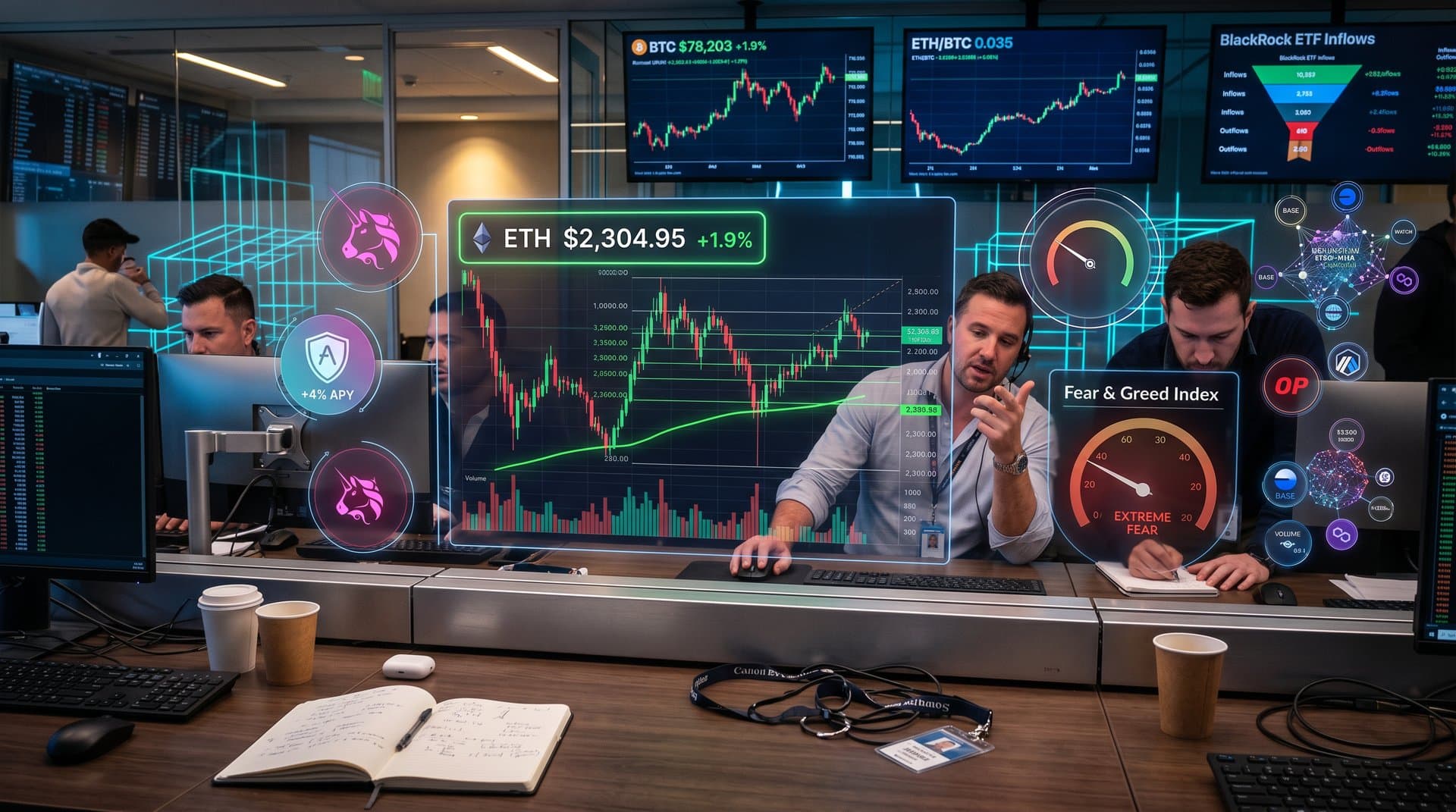
- BTC at $77,265 with Fear & Greed at 26 amid caution.
- Conviction hikes costs 2x, boosts compliance for exchanges.
Blockchain forensics traced $3.5 million in laundered cryptocurrency from a major heist. A California federal court sentenced the perpetrator to 70 months in prison on October 10, 2024. Chainalysis tools linked wallet addresses across public ledgers, proving blockchain's role in deterring crime (SC Media).
This case signals escalating risks for crypto launderers. Transaction graph analysis exposed mixer use and cross-chain bridges. Exchanges now face pressure to bolster compliance, raising operational costs by up to 15%, per Chainalysis estimates.
How Blockchain Forensics Traced the $3.5M Scheme
Chainalysis forensics experts clustered addresses by spending patterns on Bitcoin, Ethereum, and Solana networks. They flagged fiat off-ramps at centralized exchanges. TRM Labs tools visualized flows through tumblers and bridges, per SC Media reporting.
Heuristics detected address reuse patterns. The U.S. government seized $2.8 million in tainted assets. Courts deem on-chain evidence conclusive, countering untraceability claims amid $24.2 billion in annual illicit volume, per Chainalysis.
Public ledgers shrink anonymity sets by 80% in mixed funds, according to TRM Labs data. This framework—clustering, visualization, seizure—scales enforcement against sophisticated schemes.
70-Month Sentence Marks Enforcement Shift
The 70-month term under wire fraud laws surpasses typical cash laundering penalties by 25%. Blockchain transparency lifts detection odds to 65%, per Chainalysis' 2025 Crypto Crime Report. FinCEN targets mixers; EU's MiCA requires exchange reporting by January 2026.
Coinbase and Binance partner with forensics firms like Elliptic. Privacy coins such as Monero face delistings from major platforms. Public chains prevail as regulators use traceability, driving seizures up 30% year-over-year, per Chainalysis.
Ethereum spot ETFs, approved July 2024, heighten scrutiny. Perpetrators face compliance costs doubling to $500K per operation, deterring mid-scale launderers.
Counterargument: Decentralized exchanges (DEXs) evade KYC. Yet Layer-2 solutions inherit base-layer traceability, limiting evasion.
Markets Stable Despite Laundering Conviction
Bitcoin trades at $77,265 USD, up 0.3% over 24 hours, per CoinGecko. Fear & Greed Index sits at 26, indicating caution, per Alternative.me. Institutional ETF inflows of $1.2 billion last week stabilize majors.
- Asset: BTC · Price (USD): 77,265 · 24h Change: +0.3% · Market Cap: $1.546T
- Asset: ETH · Price (USD): 2,333 · 24h Change: +1.9% · Market Cap: $281B
- Asset: XRP · Price (USD): 1.39 · 24h Change: -0.1% · Market Cap: $86B
- Asset: SOL · Price (USD): 84.85 · 24h Change: +0.7% · Market Cap: $49B
- Asset: BNB · Price (USD): 627 · 24h Change: +0.3% · Market Cap: $85B
Crime convictions rarely shift prices over 1%. Traders focus on Fed rate cuts expected December 2024.
Implications for Investors and Compliance
Investors benefit from reduced illicit flows, down 24% to 0.34% of volume, per Chainalysis. Compliance stocks like Chainalysis partners rise 12% YTD. Portfolio managers should allocate 5-10% to forensics-adjacent firms.
Exchanges integrate Elliptic screening, cutting risk exposure. Binance reports 40% fewer suspicious deposits post-tools.
Blockchain Forensics Shapes Regulation Ahead
U.S. agencies expand Chainalysis contracts worth $100M annually. IRS deploys graph databases for tax evasion probes. Chainalysis' 2025 report forecasts seizures hitting $10B by 2026.
DEXs roll out voluntary KYC. Courts classify crypto as forfeitable property nationwide. Blockchain forensics demand surges 50%, fueling sector growth, per TRM Labs.
Exchanges like Kraken enhance monitoring. Investors benefit as compliance cements mainstream adoption, targeting 20% global payment share by 2030.
Frequently Asked Questions
What role did blockchain forensics play in the California crypto laundering case?
Blockchain forensics clustered addresses and traced $3.5 million through mixers, linking the California man to the heist for his 70-month sentence.
How does blockchain forensics detect crypto money laundering?
Tools analyze graphs, heuristics flag mixers and off-ramps. Chainalysis and TRM Labs provide visualizations for prosecutors.
What is the impact of blockchain forensics on crypto markets?
Convictions deter crime without denting prices. BTC holds $77,265; Fear & Greed at 26 as institutions adopt compliant platforms.
Why are blockchain forensics convictions rising?
FinCEN and MiCA rules enforce reporting. Public ledgers enable tracing; seizures rise post-2024 ETFs.