By Andre Baptiste, Senior Correspondent April 10, 2026
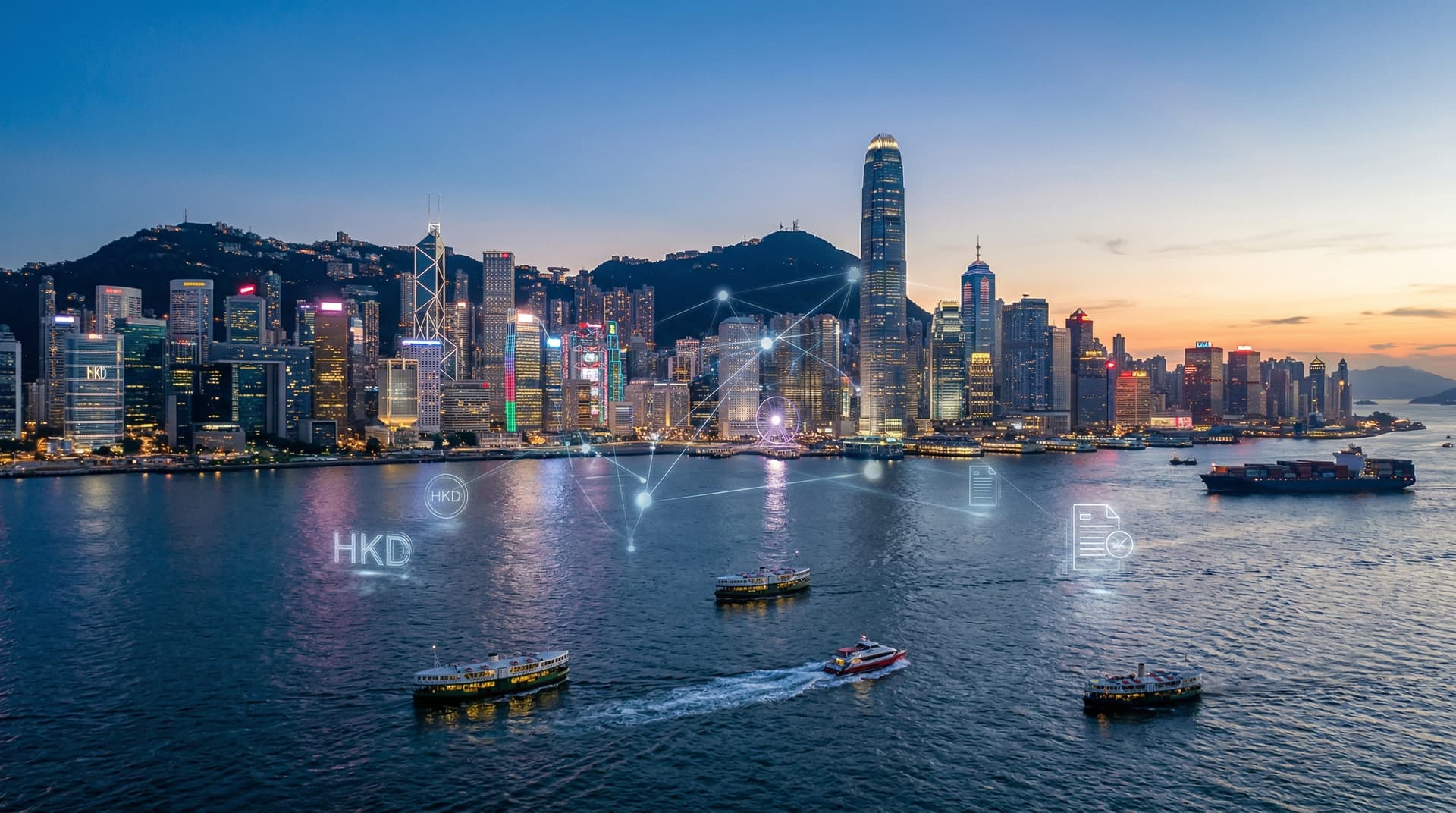
HKMA awarded inaugural Hong Kong stablecoin licenses to HSBC- and Standard Chartered-led consortia on April 10, 2026. Issuers now launch 1:1 HKD-pegged stablecoins backed by segregated reserves. Hong Kong cements its status as Asia's regulated blockchain finance hub for trade and DeFi.
Hong Kong Stablecoin Licenses Enable Safe Innovation
HKMA's 2025 regime demands full reserves in high-quality assets, strict audits, and on-site inspections. This framework adapts Europe's MiCA rules to Asia's USD 300 billion trade flows, HKMA guidelines state.
HSBC's group includes Animoca Brands. Standard Chartered partners with Hong Kong Telecom. Both claim the first slots, South China Morning Post reported April 10. Issuers commit USD 500 million each to segregated reserves.
Regulatory clarity ends sandbox ambiguity. Startups deploy stablecoins for payments, lending, and supply chain finance. They sidestep offshore risks like Tether's.
Key Players Drive Rapid Adoption
HSBC targets trade finance across Belt and Road markets. The bank eyes remittances to mainland China. It taps its global network to achieve scale.
Standard Chartered deploys stablecoins via SC Ventures. The unit targets USD 1 billion in tokenized deposits within 12 months, company statements confirm.
Animoca Brands adds Web3 know-how for gaming microtransactions. Hong Kong Telecom supplies high-throughput infrastructure. Permissioned networks like Hyperledger Besu handle 10,000 transactions per second.
HSBC internal reports state AI compliance tools and zero-knowledge proofs cut false positives by 40 percent.
Actionable Impacts for Startups and Banks
Hong Kong stablecoin licenses cut dependence on unregulated tokens. Local players like RD InnoTech build DeFi protocols. Venture capital surged 15 percent in Q1 2026, Dealroom data shows.
Banks tokenize bonds using stablecoins as collateral. Settlement times fall from days to minutes. Fintechs access Hong Kong's USD 300 billion trade volume.
Global stablecoin market cap hit USD 200 billion on April 10, CoinMarketCap reports. JPMorgan analysts predict Hong Kong grabs 5 percent share by 2027.
Executives act now: Use HKD stablecoins in trade finance to slash costs 30 percent. Integrate DeFi for liquidity gains. Mid-tier banks must adapt within 18 months or lose ground.
Global Race Intensifies
Hong Kong outpaces Singapore and Dubai sandboxes with full licenses. HSBC extends 2024 gold tokenization pilots. Standard Chartered ties HKD-AED pegs for USD 100 billion flows.
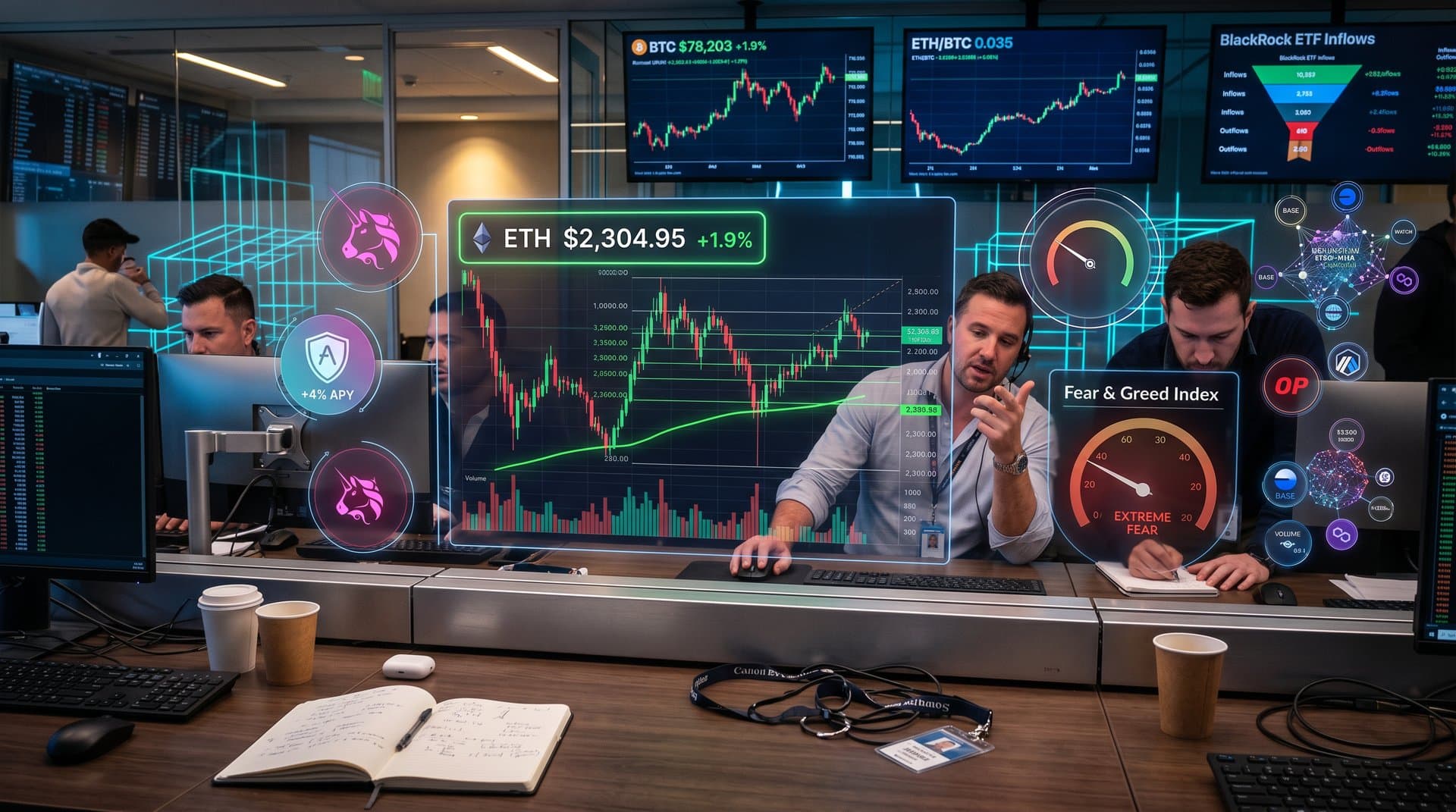
Hang Seng Crypto Index jumped 3 percent April 10. Bitcoin rose 1.6 percent to USD 73,170. Ethereum climbed 1.7 percent to USD 2,252, CoinMarketCap data shows.
HKMA joins Project Agorá CBDC trials. Results emerge Q3 2026. This bolsters interoperability with global systems.
Risks Mitigated for Steady Growth
HKMA requires par redemptions and 20 percent stress tests. Regulators impose 10 percent reserve fines for AML breaches. Circuit breakers halt issuances in volatility spikes.
More approvals come Q2 2026. HKMA aims for 10 issuers by year-end. Cyberport's Web3 hub backs 500 firms with USD 2 billion funding.
Stock exchanges pilot 24/7 stablecoin settlements. G20 reviews HK model in June. Hong Kong locks in Asia fintech dominance.
The Takeaway: Hong Kong stablecoin licenses open doors for trade and DeFi apps. Banks and startups capture 5 percent global share via regulated infrastructure—or cede to HSBC, StanChart.