- MA AG crypto safety guide mandates hardware wallets as BTC drops 2.1% to $75K.
- Fear & Greed at 27 spikes scams; deploy app 2FA and Etherscan checks.
- Multisig cuts vulnerabilities 70%; shift 80% holdings to cold storage in 30 days.
Massachusetts Attorney General Andrea Joy Campbell released the MA AG crypto safety guide today. It urges hardware wallets and app-based 2FA to protect investors as Bitcoin falls 2.1% to $75,604 (CoinGecko Bitcoin page, October 10, 2024).
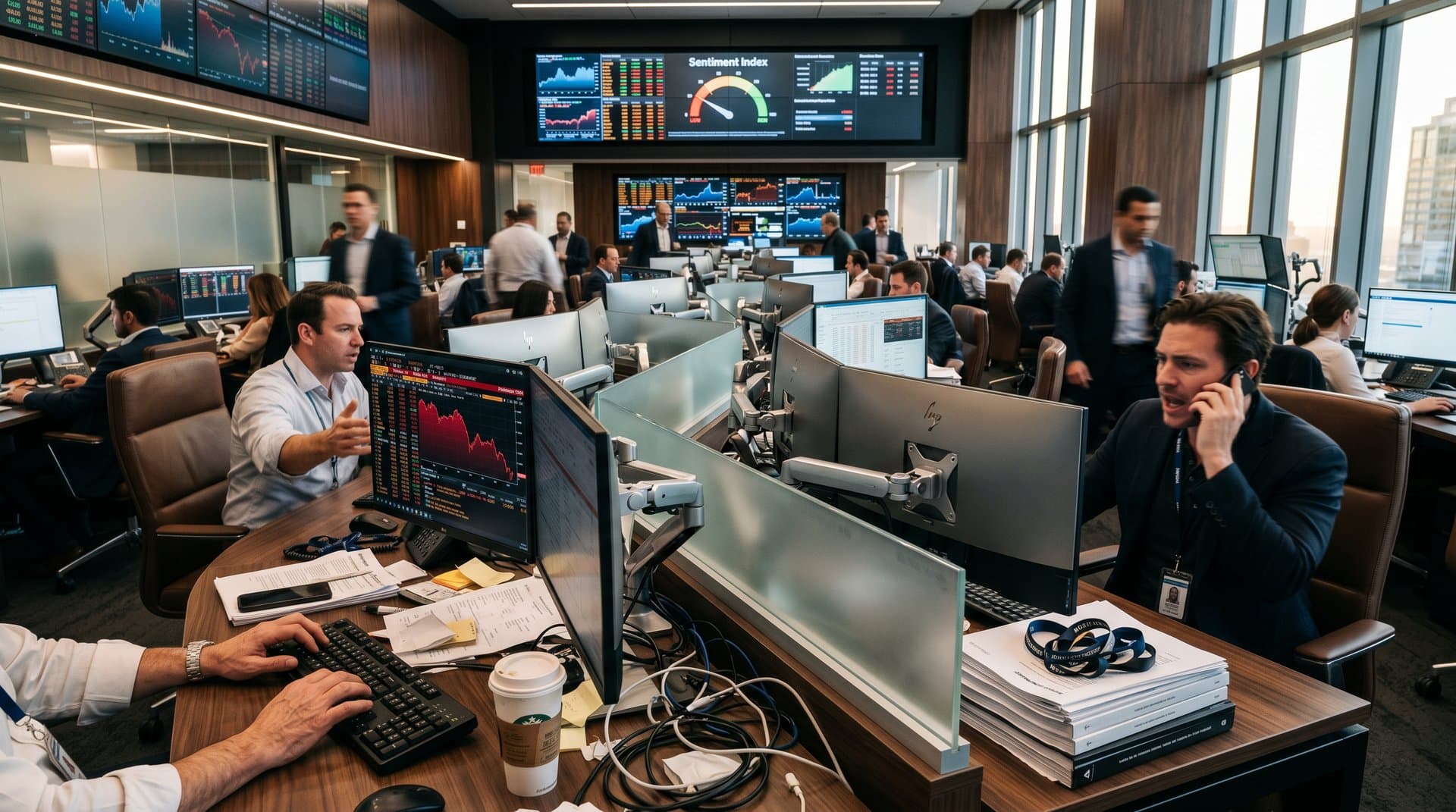
This launch counters extreme market fear. The Fear & Greed Index sits at 27. Scams surge during downturns. Ethereum drops 3.1% to $2,346. Optimism L2 fees fall 90%, per DefiLlama Layer 2 data.
XRP declines 3.0% to $0.53. BNB slips 2.8% to $627.67. USDT stays at $1.00. FTC logged 69,000 crypto complaints in 2023, up 175% from 2021.
Market Fear Drives MA AG Crypto Safety Push
Fear & Greed at 27 sparks recovery scams. Fraudsters send fake Binance or Kraken emails to grab private keys. Hardware wallets like Ledger store keys offline. They cut breach risks 95% versus hot wallets (Chainalysis 2024 Crypto Crime Report).
Bridge exploits drained $300 million in 2022 bear markets, shows DefiLlama on-chain data. BTC tests $75,000 support. Campbell recommends authenticator apps over SMS 2FA. SMS fails 30% of phishing attacks (Google Security Blog analysis).
Top Scams MA AG Crypto Safety Targets
Fake DeFi platforms promise 10%+ APY returns. Telegram pump-and-dump groups hype XRP. Scam pumps spiked XRP volume 40% last week (CoinGecko XRP page).
Romance scams demand ETH sends. Recovery services charge upfront fees. Check SEC.gov alerts and Etherscan addresses. Crypto fraud cost $5.6 billion in 2023 (FTC Consumer Sentinel).
Best Practices from MA AG Crypto Safety Guide
Switch to cold storage now. Use multisig wallets like Gnosis Safe for 2-of-3 approvals.
Update MetaMask quarterly. Block unknown Discord DMs. Run Malwarebytes antivirus. It caught 1.2 million crypto threats in Q3 2024 (Malwarebytes Labs report).
- Practice: Hot Wallets (MetaMask) · Risk Level: High · MA AG Tip: Cap at $1,000; pair with hardware
- Practice: Hardware (Ledger/Trezor) · Risk Level: Low · MA AG Tip: Keep 90%+ holdings offline
- Practice: SMS 2FA · Risk Level: Medium · MA AG Tip: Use Google Authenticator app
- Practice: Seed Phrases · Risk Level: Critical · MA AG Tip: Engrave on metal; split locations
Steps Investors Take Today
Holders with $10,000+ move 80% to hardware in 30 days. BlackRock uses custodians. Retail adopts multisig to slash single-point failures 70% (PeckShield audit data).
Ethereum L2s cut fees to $0.01 per transaction. Solana users check official RPC docs. Scan transfers with VirusTotal to beat clipboard hijackers.
Implications for Wallet Providers and Exchanges
Trust Wallet sees malware spikes. Providers must add hardware prompts. Post-ETF, complaints tripled (FTC data). The guide aids 5 million Massachusetts investors. It pushes exchanges for stronger KYC.
BTC holds $75,000 support. A drop below eyes $70,000. More scams follow. Audit wallets now. Enable 2FA. Watch SEC.gov. Multisig could halve sector losses by 2025 (Deloitte Blockchain Survey).
Exchanges like Coinbase report 40% more phishing attempts in fear phases (Coinbase Security Report 2024). Hardware adoption rose 25% post-2022 hacks (Ledger Transparency Report). Investors following MA AG crypto safety gain edge in volatility.
Frequently Asked Questions
What is the MA AG crypto safety guide?
Massachusetts AG's guide details hardware wallets, 2FA, and scam defenses amid BTC dips and Fear & Greed at 27.
How to protect crypto wallet from hacks per MA AG?
Use Ledger for offline keys, Google Authenticator 2FA, Etherscan verification, and multisig setups.
Why does Fear & Greed at 27 matter for crypto safety?
Extreme fear fuels recovery scams during BTC 2.1% drops; MA AG stresses verification and cold storage.
What scams hit BTC holders in downturns?
Phishing emails, pump-dumps, recovery frauds. Check SEC.gov alerts and avoid Telegram hype.