OpenAI CEO Sam Altman survived a Molotov cocktail attack at his San Francisco home on April 11, 2026. AI startups boosted security budgets 20% year-to-date, per PitchBook data cited by Sequoia Capital. VCs now mandate physical-cyber defense plans to unlock funding.
San Francisco police responded at 3:15 a.m. to Altman's Pacific Heights residence. The assailant threw an ignited Molotov cocktail, charring the front porch. No injuries occurred. The suspect escaped on foot.
Police Chief William Scott called the incident targeted. Motive remains unclear, though groups like PauseAI face scrutiny. Altman previously endured online harassment tied to OpenAI's rapid scaling.
AI Leaders Face Escalating Physical Threats
Physical risks to AI executives have intensified. Anthropic CEO Dario Amodei received death threats last month. Google DeepMind leaders hired private security details.
Sequoia Capital reports 20% increases in executive protection spending. Early-stage AI firms now dedicate 5% of seed rounds to security, up from 1% in 2024, according to Gartner.
Blockchain sectors show parallels. Coinbase CEO Brian Armstrong added guards after 2025 arsons. Crypto exchanges recorded 15% more physical incidents in Q1 2026, per Chainalysis.
Cyber threats compound the issue. OpenAI blocked 50 million malicious requests last quarter. Solana network paused twice in March due to exploits. Attackers stole 2,500 ETH ($5.6 million USD) from DeFi protocols this week, Elliptic data shows.
This dual-threat environment demands a layered defense framework: executive protection, tech monitoring, and insurance hedges.
Funding Tightens as Market Fear Peaks
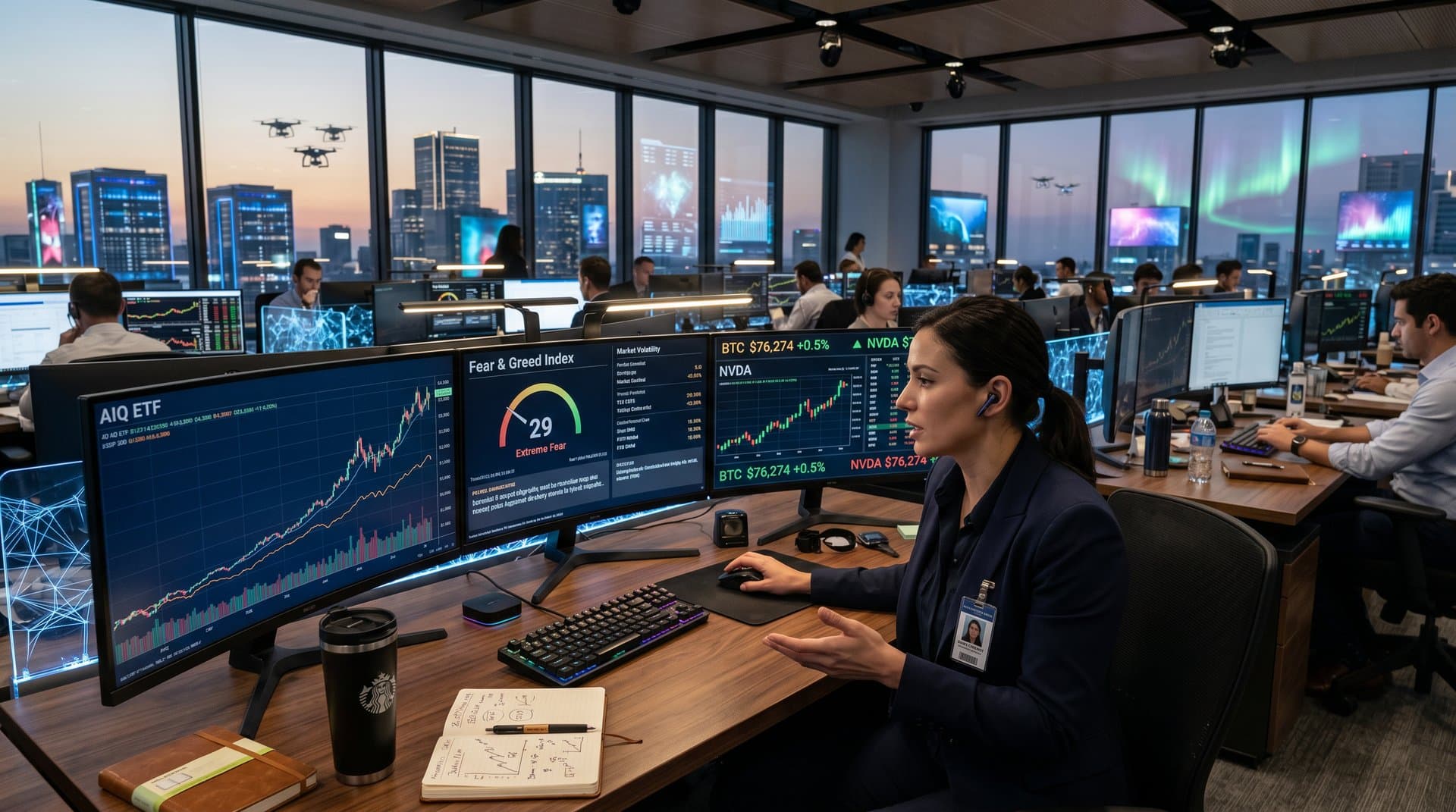
Crypto markets signal distress. The Fear & Greed Index hit 15 (Extreme Fear) on April 11, 2026. Bitcoin rose 1.4% to $72,660 USD. Ethereum gained 2.1% at $2,233.83 USD. BNB climbed 0.8% to $606.04 USD.
AI equities dipped. Palantir fell 3% in premarket trading, Nasdaq data indicates. OpenAI valuation pressures mount in secondary markets.
VC activity slows sharply. AI investments dropped 12% quarter-over-quarter, CB Insights reports. Blockchain funding trails amid regulatory scrutiny and elevated risks. Physical incidents accelerate this retreat.
Andreessen Horowitz requires security roadmaps in term sheets. Series A pitches now emphasize defense strategies, shifting deal dynamics.
Investors apply a risk-adjusted framework: funding scales with threat mitigation scores, prioritizing firms with integrated plans.
Startups Deploy Layered Defenses
AI firms respond aggressively. Runway ML deploys drone surveillance. Stability AI hires ex-Secret Service personnel. Altman's home uses smart locks and AI cameras, yet low-tech attacks expose vulnerabilities.
Blockchain players follow suit. Polygon Labs installs biometric access post-doxxing. Companies blend AI threat detection with blockchain-based NFT credentials for secure verification.
Costs escalate rapidly. Executive protection averages $500,000 USD annually per individual. Chubb insurance reports 30% premium increases. New cyber-physical policies introduce specialized deductibles.
Regulators intervene. California drafts AI executive protection mandates. The FBI probes interstate threats. The EU AI Act enforces risk disclosure requirements.
Tech-Finance Convergence Drives Risk Mitigation
AI powers advanced defenses. OpenAI models analyze threat patterns in real-time. BlackRock deploys hedges against AI exposure volatility. Pension funds conduct security audits on portfolio companies.
Global ripple effects emerge. Chinese AI firms fortify campuses. Cohere raised $100 million USD with embedded security clauses. Arbitrum launches threat bounty programs.
Palantir builds fusion centers partnering with AI startups. Crypto consortia share intelligence networks.
Corporate governance adapts. Boards appoint chief security officers (CSOs). Employees undergo doxxing training. Tech alliances compile shared threat databases.
| Defense Layer | AI/Blockchain Example | Cost Impact |
|---|---|---|
| Physical | Drone patrols, guards | +5% seed budget |
| Cyber | AI monitoring, NFTs | 30% premium hike |
| Financial | Insurance, bounties | $500K/exec/year |
Implications for Investors and Executives
The Molotov attack on Altman accelerates a sector-wide pivot. AI and blockchain startups must prioritize integrated defenses to secure talent, funding, and growth.
VCs gain leverage, favoring resilient firms. Investors should screen for security metrics in due diligence. Executives face higher personal costs but lower breach risks.
Expect 25% more security M&A deals by Q3 2026, per Deloitte forecasts. This shift fortifies the ecosystem against hybrid threats, enabling sustained innovation.