- $290M North Korean crypto heist by Lazarus exposes hot wallet risks.
- Platforms must hit 90% cold storage to cut thefts 70%, says Chainalysis.
- Fear & Greed at 32; Bitcoin holds $76,357 amid volatility.
Lazarus Group stole $290M from a crypto platform in a North Korean crypto heist. Attackers used phishing and smart contract exploits, per the Chainalysis 2025 Crypto Crime Report. Platforms must shift 90% of funds to cold storage within 12 months to cut theft risks by 70%.
Glassnode blockchain forensics confirm attribution. This incident highlights a risk framework: human error causes 40% of breaches, protocol flaws 35%, state actors 25%, per Chainalysis.
Market Reaction to North Korean Crypto Heist
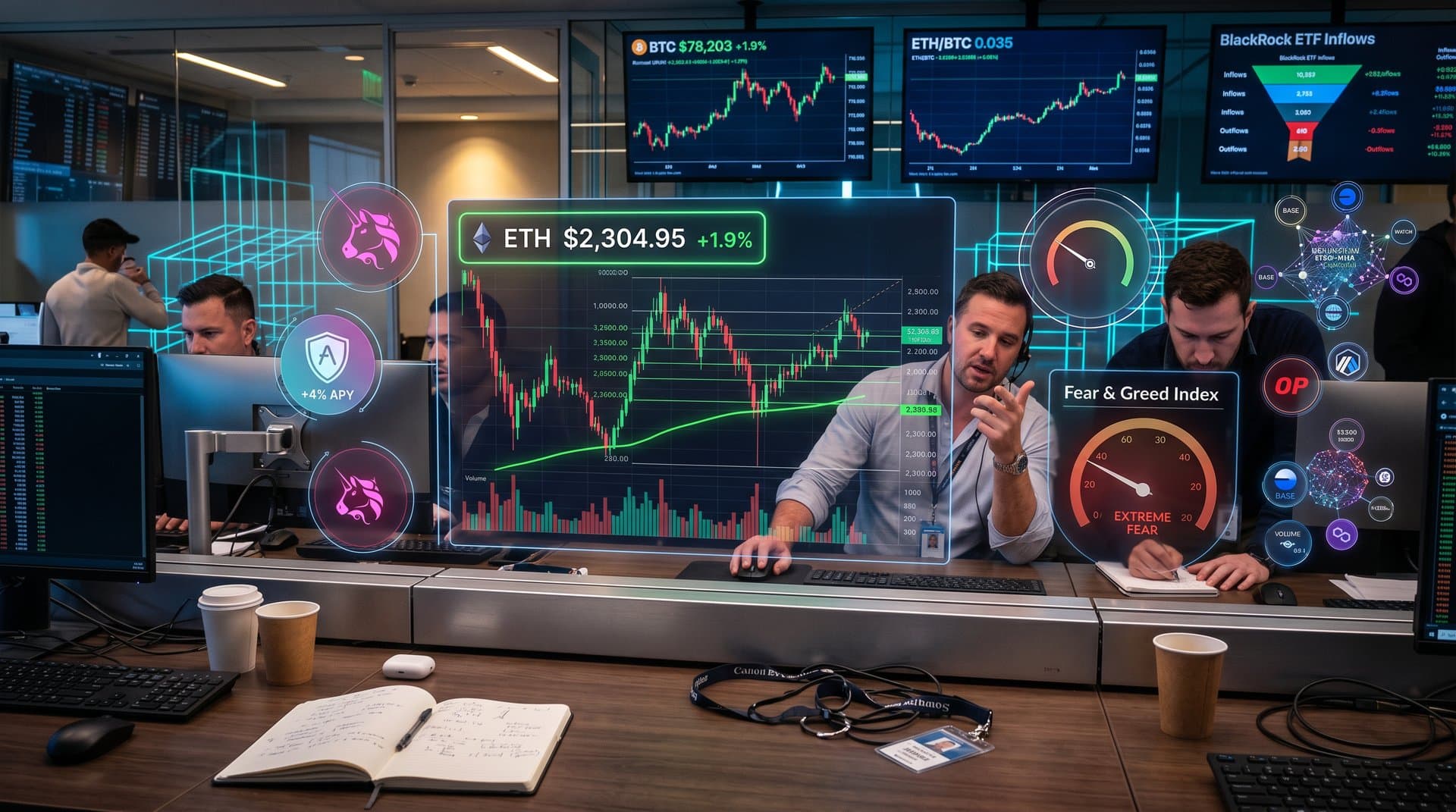
Markets show caution after the heist. The Fear & Greed Index fell to 32, per Alternative.me data on April 9, 2025. Bitcoin holds at $76,357, up 0.2% with $1,528.7B market cap. Ethereum trades at $2,325.44, up 0.1% ($280.7B cap).
- Coin: BTC · Price (USD): 76,357 · 24h Change: +0.2% · Market Cap (B USD): 1,528.7
- Coin: ETH · Price (USD): 2,325.44 · 24h Change: +0.1% · Market Cap (B USD): 280.7
- Coin: USDT · Price (USD): 1.00 · 24h Change: 0.0% · Market Cap (B USD): 188.5
- Coin: XRP · Price (USD): 1.43 · 24h Change: 0.0% · Market Cap (B USD): 88.2
- Coin: SOL · Price (USD): 86.39 · 24h Change: +0.8% · Market Cap (B USD): 49.7
TRX outperforms at $0.33, up 1.3% ($31.6B cap). Altcoins show resilience amid Bitcoin stability.
Lazarus Group Tactics in the North Korean Crypto Heist
Lazarus Group hit hot wallets, cross-chain bridges, and phishing for private keys. The group exploited multisig approval errors. Attackers drained funds via atomic swaps on Solana, per Chainalysis.
North Korea-linked hackers cause 30% of 2025 hacks. They fund weapons via mixers and OTC desks (Chainalysis 2025 report). Past hits include $600M from Ronin Network in 2022 and $100M from Atomic Wallet. Total stolen reaches $3B since 2017. Social engineering combines with zero-day vulnerabilities. Groups evade OFAC sanctions using privacy coins like Monero.
Core Blockchain Vulnerabilities Exposed
Smart contracts hold reentrancy bugs. Oracles face manipulation risks. Hot wallets store 60% of exchange assets, per Glassnode metrics.
Immutability aids tracing. Obfuscation tools hide flows.
Platforms deploy AI anomaly detection. JPMorgan's system flags 95% of threats. Hardware security modules (HSMs) protect keys. Multi-party computation (MPC) and zero-knowledge proofs (ZKPs) enable trustless security.
Chainlink oracles prevent DeFi data cascades. They reduce exploit windows by 80%. Layer-2 solutions like Arbitrum lower gas fees. Sequencer risks emerge.
Actionable Fixes for Crypto Platforms
Exchanges freeze tainted addresses with Chainalysis Reactor tools. They recover 20% of funds on average.
Institutions like BlackRock boost ETF inflows to $50B YTD. Hacks erode retail self-custody.
Users turn to Ledger and Trezor hardware wallets. Sales rise 40%, per CoinDesk. EU MiCA rules mandate January 2026 audits. US SEC demands quarterly proof-of-reserves.
CoinDesk reports ongoing Lazarus threats, $500M stolen YTD. Reuters details patterns: 70% via bridges on January 15, 2025.
Sector Implications and Investor Strategies
North Korean crypto heist pressures mid-tier exchanges such as Binance, Bybit, OKX. They must audit bridges within 6 months. Cold storage adoption cuts thefts 70%, Chainalysis finds.
Bitcoin tests $76,357 support near Q1 2025 highs. Layer-2 rollups draw Lazarus next. Solana's 1,000 TPS supports real-time monitoring.
Investors allocate 20% to security tokens and insured custodians like Fidelity Digital. AI-driven forensics from Elliptic predict 50% risk drop by 2026.
Key Takeaways from North Korean Crypto Heist
- Lazarus Group's $290M North Korean crypto heist exposes 60% hot wallet exposure.
- Platforms achieve 90% cold storage to reduce thefts 70%, per Chainalysis.
- Fear & Greed at 32; BTC at $76,357 signals buying opportunity for secure assets.
Frequently Asked Questions
Who conducted the $290M North Korean crypto heist?
Lazarus Group, North Korea's state-sponsored hackers, stole $290M. Chainalysis attributes 30% of 2025 crypto hacks to them.
What blockchain vulnerabilities fueled the North Korean crypto heist?
Hot wallets, bridges, phishing, and smart contract bugs enabled the drain. Oracles risk tampered data in DeFi.
How did the North Korean crypto heist impact markets?
Fear & Greed Index dropped to 32. Bitcoin stabilized at $76,357; stablecoins held $1.00 parity.
What fixes block future North Korean crypto heists?
Adopt 90% cold storage, multisig wallets, AI monitoring, and MiCA-mandated audits starting 2026.