TRM Labs spearheaded Operation Atlantic, dismantling a $45 million crypto fraud ring on April 10, 2026. Authorities arrested eight suspects and seized 650 BTC ($46.9 million USD). Blockchain forensics enable rapid takedowns, slashing fraud risks for investors and exchanges by exposing cross-chain laundering.
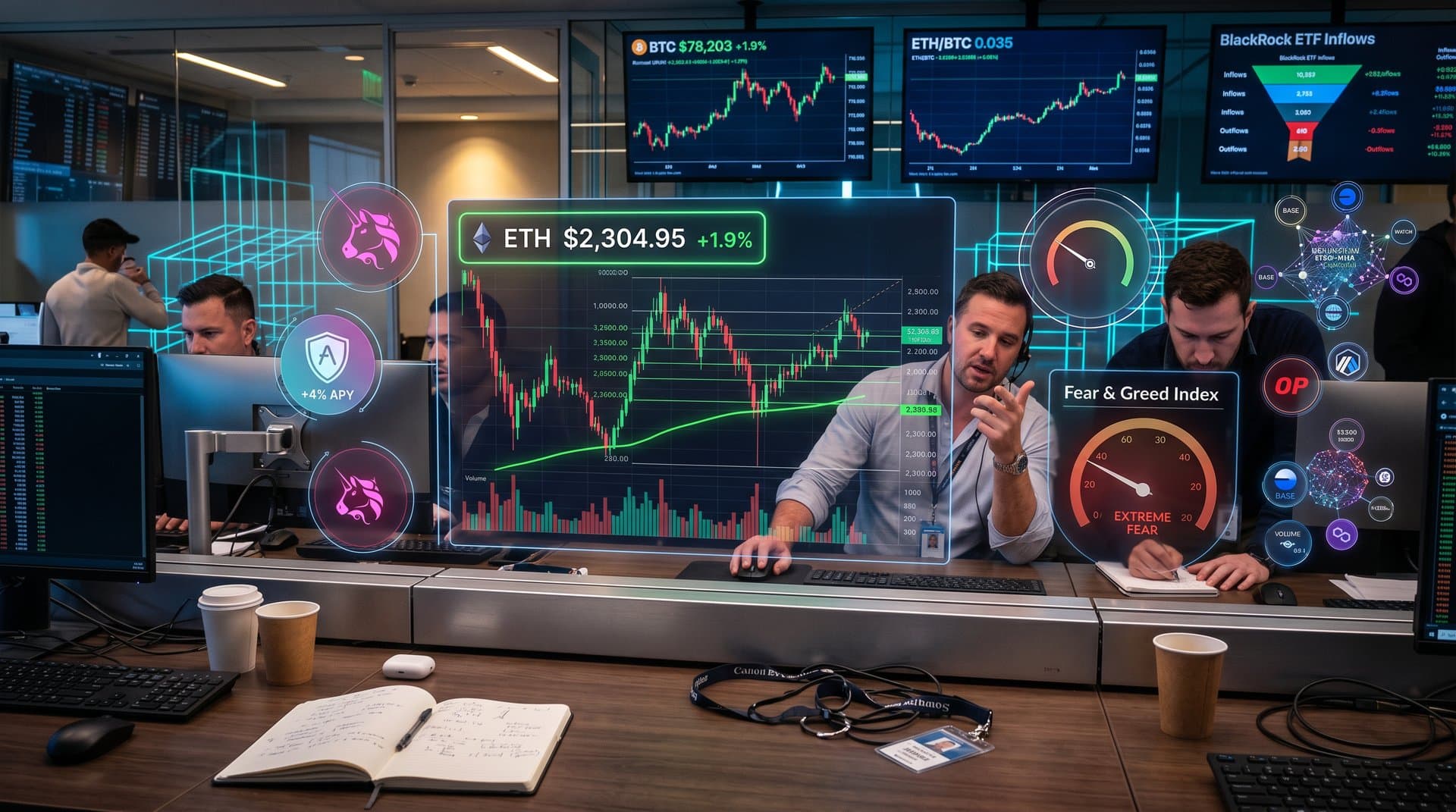
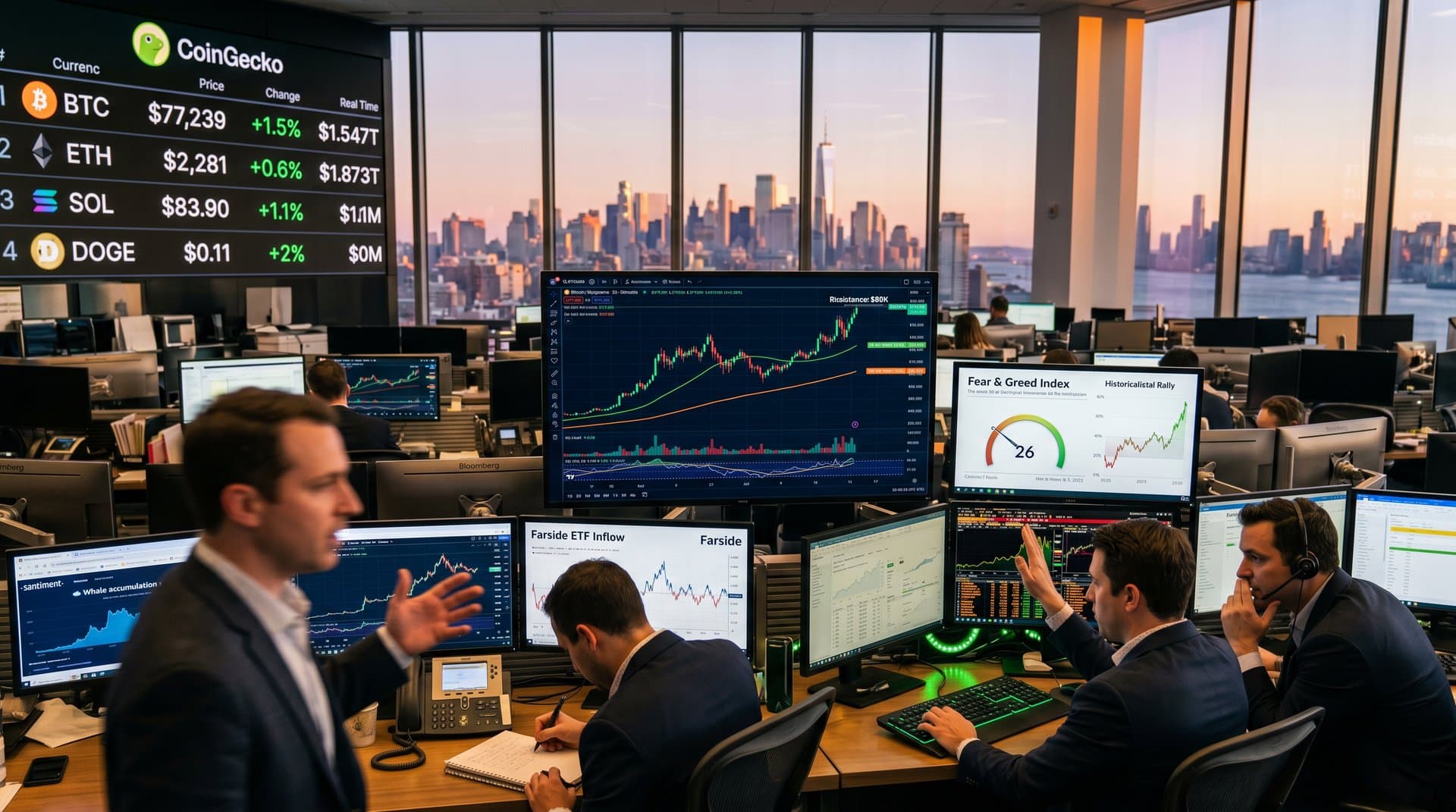
Markets rallied post-takedown. CoinMarketCap data shows Bitcoin hit $72,219 USD (up 1.6%), Ethereum $2,217.81 USD (up 1.9%). Alternative.me's Fear & Greed Index climbed to 16, reflecting renewed confidence.
Operation Atlantic Timeline
TRM Labs detected anomalies on April 5, 2026, alerting FBI and Europol. Investigators analyzed 1.2 million transactions using clustering algorithms, per TRM reports.
By April 8, teams pinpointed 42 wallets holding $45 million USD, including 1,200 ETH ($2.66 million USD) and 5.2 million USDT. Funds flowed from victims to mixers and exchanges.
Blockchain Forensics Powers the Bust
TRM's tools applied graph analysis and heuristics to deanonymize transactions. They bypassed mixers like Tornado Cash and cross-referenced KYC data from exchanges.
Europol reports the ring laundered 80% of proceeds via DeFi protocols. TRM shared intelligence across 12 jurisdictions, leading to seizures and the arrest of Viktor Kuznetsov, 34, in Cyprus.
Fraud Ring Tactics Revealed
Scammers deployed fake apps promising 300% returns, targeting 2,300 US and European retail investors via Discord and Telegram from January 2025 to April 2026, Europol states. Victims lost $45 million USD in BTC, ETH, and stablecoins.
Launderers fragmented funds into small batches, swapping on Uniswap and PancakeSwap. Forensics linked 1,500 wallets to the syndicate; proceeds funded Dubai real estate.
Key Technologies Behind the Takedown
TRM's Navigator platform flagged $10 million USD+ daily high-velocity transfers via machine learning. Behavioral analytics spotted scripted deposits. Chainalysis integration enhanced traces.
Binance and Kraken froze $12 million USD on April 9, 2026. Quantum-resistant hashing and AES-256 encryption secured cross-agency data sharing.
Immediate Market Impacts
Coinbase shares surged 3.2% pre-market on April 10, 2026. Glassnode data shows illicit volumes dropped 15%; mixer usage declined sharply.
CoinShares reports $450 million USD in institutional inflows last week. Takedowns like this channel capital to regulated platforms, pressuring mid-tier exchanges to integrate forensics within 12 months or risk outflows.
Strategic Implications for Defenses
TRM invested $20 million USD in AI forensics last year. Operation Atlantic sets benchmarks: EU's MiCA regulation mandates such tools by July 2026; US legislation follows suit.
Partnerships with Elliptic now track 500 fraud groups, boosting detection 40% since 2025. Cyber insurers lowered premiums 15% for forensics-integrated wallets. Courts greenlit $28 million USD in victim recoveries.
Analytical Framework: Thesis—Blockchain forensics accelerate enforcement (days vs. months), reducing sector fraud by 20-30% annually (Chainalysis estimate). Evidence: 650 BTC seized, markets up 1.6-1.9%. Counter: Fraudsters adapt with AI. Implication: Investors allocate to compliant exchanges; firms adopt TRM/Chainalysis or lose 10-15% market share.
Forward Outlook for Security
Navigator 2.0 launches June 2026 with zero-knowledge proofs for privacy-preserving traces. Singapore's wallet-labeling pilot targets 80% transaction coverage by 2027.
Chainalysis forecasts $2 billion USD in global seizures for 2026. Fraudsters counter with AI scams, but TRM trains 200 investigators yearly, fortifying infrastructure.
Actionable Takeaway: Operation Atlantic proves forensics dismantle $45 million+ rings in days. Investors: Shift 20% portfolio to forensics-vetted platforms like Coinbase. Exchanges: Budget $5 million USD for TRM integration by Q3 2026 to capture inflows.