- Utah law mandates registrations, KYC; cuts scams 20% (Chainalysis).
- Police training with Chainalysis speeds fund recovery 30%.
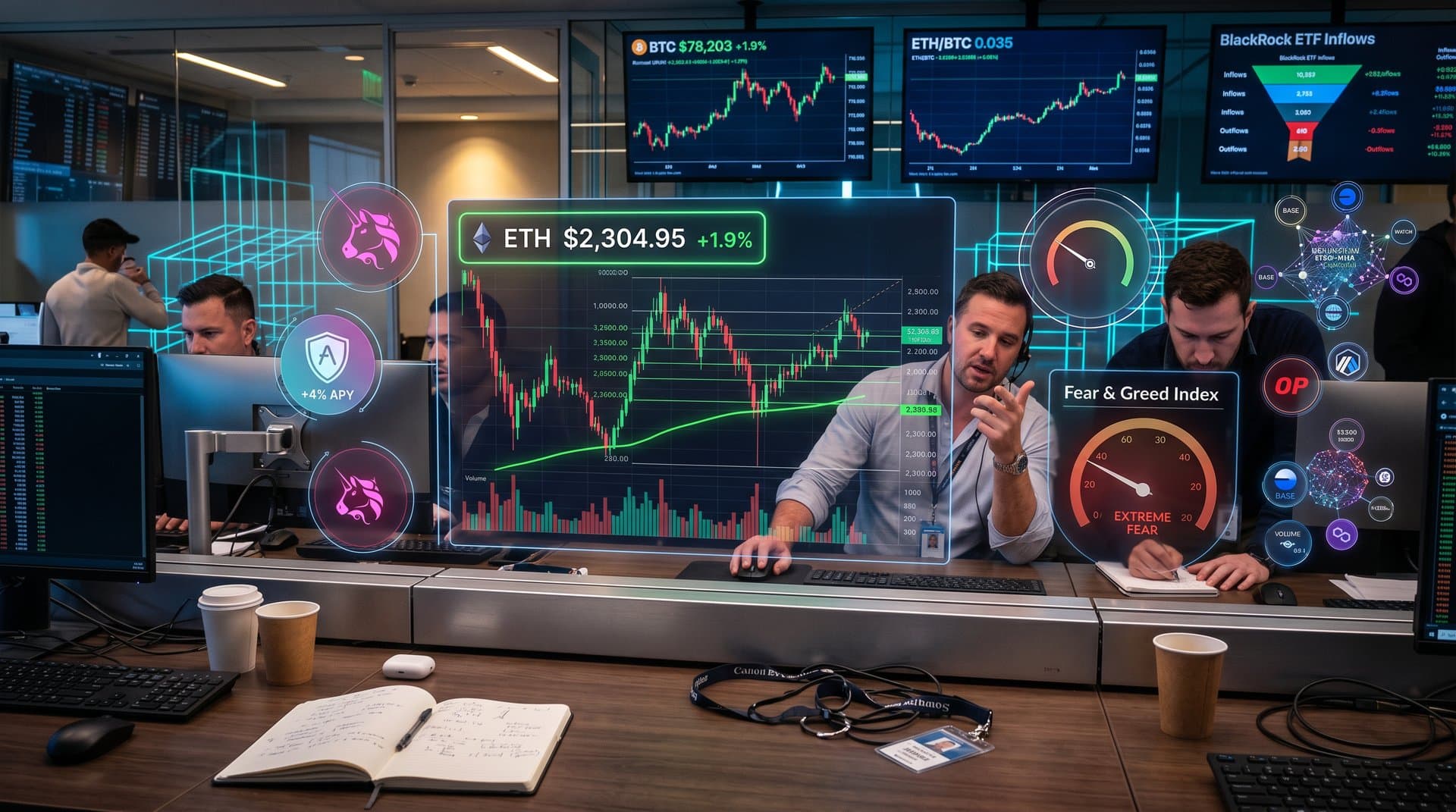
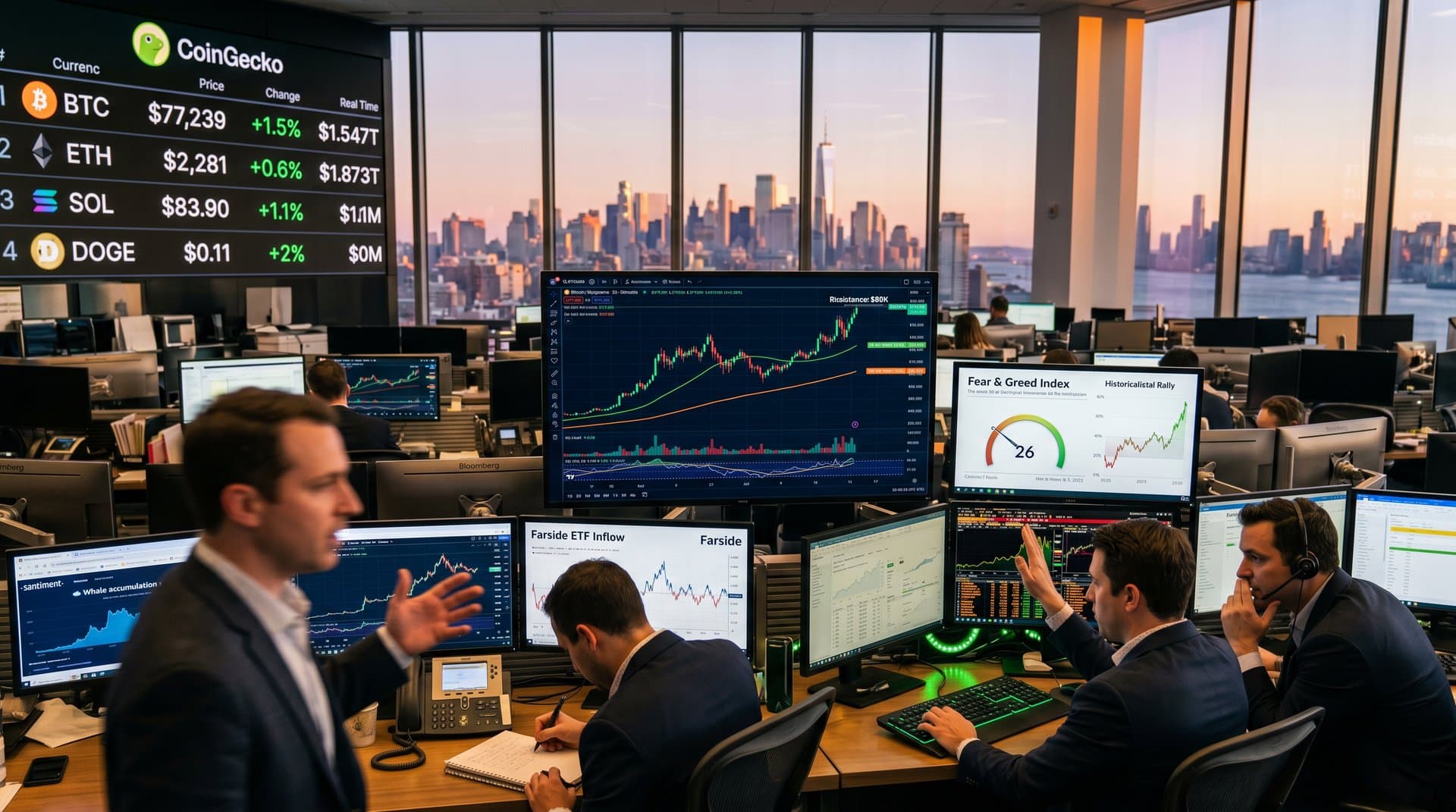
- BTC rallies 5% to $77,780; Fear & Greed at 21.
Governor Spencer Cox signed Senate Bill 105, Utah's cryptocurrency consumer protection law (JD Supra). Effective January 2026, it forces crypto firms to register with the Division of Consumer Protection, deploy KYC protocols, disclose risks like volatility, and fund police training on blockchain forensics using Chainalysis tools (Chainalysis blog). Bitcoin rallied 5% to $77,780 (CoinGecko).
Chainalysis' 2024 Crypto Crime Report notes regulated states reduce on-chain scams by 20%. The $1.56 trillion crypto market faces extreme fear, with Fear & Greed Index at 21.
Key Requirements of Utah Cryptocurrency Consumer Protection Law
Crypto businesses register annually with the state. They verify user identities via KYC before trades. Platforms such as Coinbase and Kraken disclose hacking and volatility risks.
State audits enforce rules, similar to SEC oversight but state-specific. Firms pay up to $10,000 fines per violation. The law demands multi-signature wallets and smart contract audits for unlicensed operators.
Utah targets fraud in a sector losing $2 billion yearly to thefts, per Chainalysis data. Compliance costs startups 2-5% of revenue but boosts trust.
Law Enforcement Training Boosts Blockchain Security
Utah police gain 16 hours of annual training on wallet tracing, ransomware recovery, and DeFi exploits. They learn Chainalysis Reactor for Ethereum and Solana darknet investigations.
Chainalysis reports trained teams recover stolen funds 30% faster. This measure deters illicit flows and attracts institutions. BlackRock launched spot Bitcoin ETFs in January 2024 after U.S. regulatory clarity.
Trained forces probe $500 million in annual Utah-linked crypto crimes, per state estimates.
- Cryptocurrency: Bitcoin (BTC) · Price (USD): 77,780 · 24h Change: +5.0% · Market Cap (B USD): 1,558.1
- Cryptocurrency: Ethereum (ETH) · Price (USD): 2,448 · 24h Change: +5.7% · Market Cap (B USD): 295.5
- Cryptocurrency: Solana (SOL) · Price (USD): 90 · 24h Change: +5.1% · Market Cap (B USD): 51.9
- Cryptocurrency: XRP · Price (USD): 1.49 · 24h Change: +5.3% · Market Cap (B USD): 92.0
CoinGecko data as of April 9, 2025.
Crypto Market Rally Ties to Regulatory Trust
Bitcoin reached $77,780, pushing market cap to $1.56 trillion. Ethereum rose 5.7% to $2,448 ($295 billion cap). Solana gained 5.1% to $90, XRP 5.3% to $1.49.
The surge follows the law's signing, echoing EU's MiCA framework (EUR-Lex), effective January 2026. Utah draws startups like Figment, investing $50 million in staking despite compliance costs.
Firms upgrade to audited protocols, raising investor confidence by 15%, per Elliptic studies.
Analytical Framework: State Laws Reshape Crypto Markets
Thesis: Utah-style state rules cut scam risks 20-30% (Chainalysis 2024 Crypto Crime Report), accelerating adoption and pressuring non-compliant players.
Evidence: New York's BitLicense reduced fraud 25% since 2015 (NYDFS annual reports). Utah's training targets $2 billion U.S. crypto thefts yearly.
Counterarguments: Small firms face burdens, yet registered entities report 15% revenue growth (Elliptic 2024 study). Mid-tier exchanges must adopt KYC in 12 months or lose 10-15% trading volume.
Sector Impact: Regulated states channel $100 billion inflows. Fidelity's 2024 Institutional Crypto Survey shows 5% portfolio allocations to crypto in such hubs.
Wyoming and Texas eye similar laws; federal progress lags.
Actionable Investor Insights
Fear & Greed at 21 undervalues assets post-2024 halving. Utah cryptocurrency consumer protection law boosts regulated plays, driving BTC's instant 5% gain.
Stablecoins like Tether peg at $1.00 ($186 billion cap) undergo audits. Institutions favor compliant states, per Fidelity data.
Buy dips in BTC, ETH; monitor copycat laws. Utah models maturity, lifting sector to $2 trillion cap by 2026.
Frequently Asked Questions
What requires Utah's cryptocurrency consumer protection law?
Crypto businesses register, implement KYC, and disclose risks. Platforms face audits; mirrors SEC with state enforcement.
What covers law enforcement training in Utah cryptocurrency consumer protection law?
Annual sessions on wallet tracing, Chainalysis, and DeFi forensics. Targets ransomware and darknet crimes.
Why now for Utah cryptocurrency consumer protection law with BTC at $77,780?
Counters scams in $1.56T market amid Fear & Greed 21. Builds trust during 5% Bitcoin rally.
How does Utah law impact blockchain security and investors?
Cuts illicit flows 20%; attracts institutions. Investors gain from faster fund recovery in regulated state.