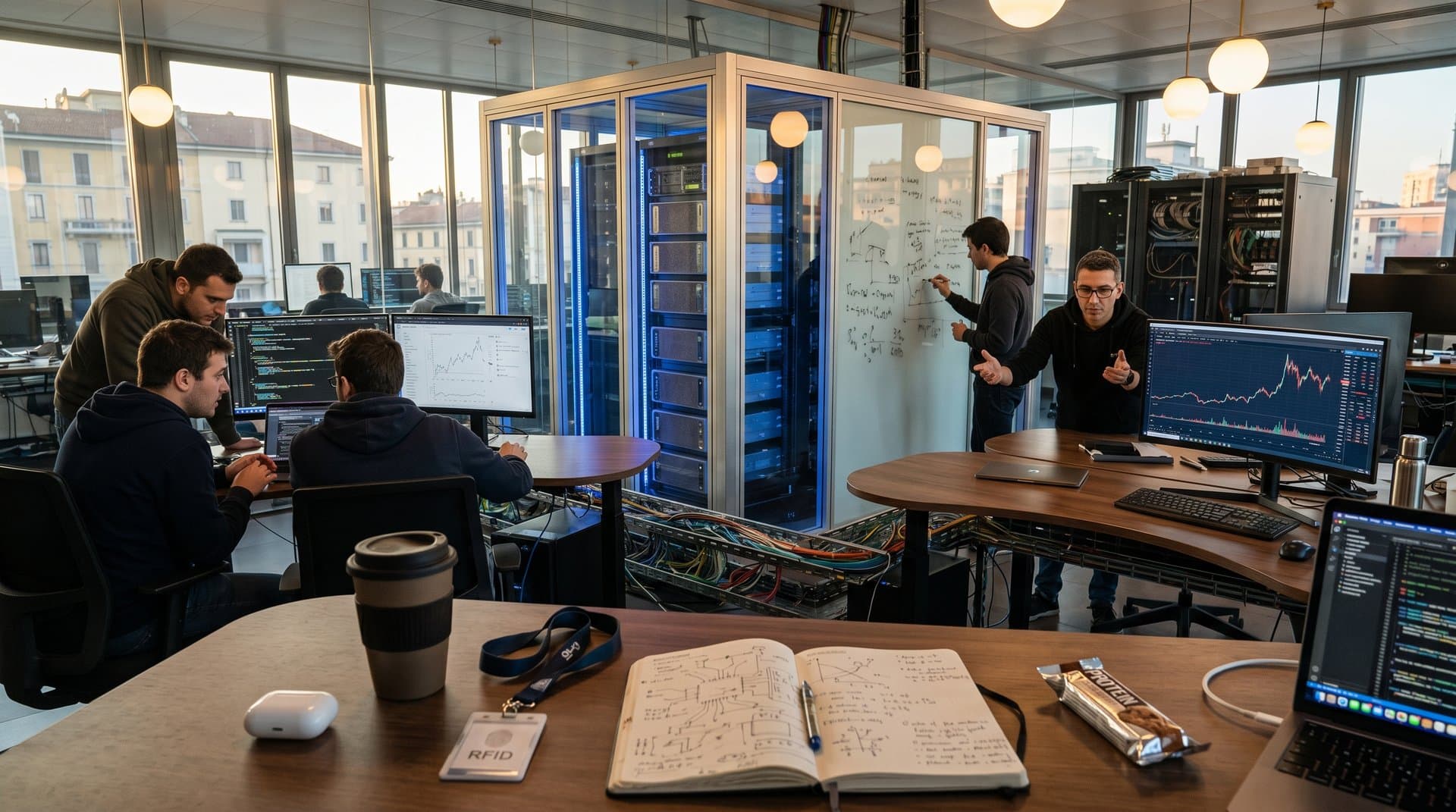
Arizona's AI gold rush sparked a 42% surge in students switching to AI majors as of April 11, 2026. ASU and UA report fast-filling computer science and machine learning programs. This talent influx builds a moat for startups amid $2.1 billion USD Q1 VC funding. (28 words)
Over 1,200 students shifted from humanities and business this semester. Administrators blame AI job growth and automation risks for the rush.
AI Gold Rush Fuels Enrollment Surge
ASU reports 650 major changes to AI or data science since January 2026. UA handled 550 requests. Northern Arizona University posted 28% enrollment growth in AI tracks.
These gains exceed U.S. averages by 15%, per National Student Clearinghouse Research Center data from April 10, 2026. Universities added sections for waitlisted students. Arizona created 12,000 AI jobs last year, according to Arizona Commerce Authority. Entry-level salaries hit $120,000 USD on average.
Lower tuition costs—$12,000 USD annually at ASU versus $60,000 USD at elite coastal schools—accelerate the shift. Proximity to Phoenix tech hubs cuts relocation barriers for interns.
Job Fears Drive Major Switches
Students flee displacement risks in traditional fields. Bureau of Labor Statistics forecasts 23% AI job growth through 2032, dwarfing the 4% overall rate. McKinsey Global Institute warned in March 2026 of 15% automation exposure for legal and marketing roles.
Phoenix leaders like Waymo and Intel hire 70% of Arizona CS graduates within three months. AI-focused tracks boast 95% placement rates. Career fairs attracted 40 AI startups this spring.
Graduates target roles in autonomous driving and predictive analytics, where demand outstrips supply by 3:1, per LinkedIn Economic Graph (Q1 2026).
VC Boom Powers the AI Gold Rush
Arizona AI startups secured $2.1 billion USD in Q1 2026 funding, per PitchBook. Autonomous vehicles and healthcare AI dominate deals. Tempe now hosts 150 AI firms, employing 5,000 people.
ASU accelerators placed 200 students in paid internships last quarter. Twelve alumni-founded AI startups closed Series A rounds this year, raising $450 million USD total. Sequoia Capital pitched UA students on April 8, 2026, highlighting Arizona's cost advantages over Silicon Valley.
VC firms cite 25% lower burn rates in Arizona, boosting runway by 12 months compared to California hubs.
Student Motivations: Fear Meets Opportunity
Arizona Board of Regents poll from April 9, 2026, shows 68% of students fear obsolete skills, while 82% pursue six-figure salaries. Tools like ChatGPT highlight AI's broad impact.
Universities launched $5,000 USD bootcamps with job interview guarantees. Enrollments doubled since January 2026.
- Top motivators:
- Salary premium: AI roles pay 45% more than business majors.
- Job security: 97% employment rate for 2025 grads.
- Startup access: 60% plan entrepreneurial paths.
Economic Boost and Competitive Edge
Tech fueled 8% of Arizona's GDP growth in 2025, per U.S. Conference of Mayors. AI startups created 25% of new jobs statewide.
Arizona surpasses Stanford and MIT's 35% enrollment jumps due to higher startup density—1.2 firms per 1,000 students. Universities pledged $100 million USD for AI labs and faculty hires.
This edge lowers talent acquisition costs by 30% for local VCs, per CB Insights (Q1 2026).
Talent Pipeline Outlook
Arizona forecasts 20,000 annual AI jobs by 2030, per Arizona Commerce Authority. Universities plan 50% program expansions, including AI-finance hybrids.
Startups retain 90% of campus hires through 0.5% equity grants. State awarded $50 million USD in AI education grants on April 10, 2026.
Partnerships with GoDaddy and Axon Enterprise guarantee 1,000 internships yearly.
Key Takeaway for Investors
Arizona's AI gold rush forges a self-reinforcing cycle: VC inflows ($2.1B Q1) spur jobs, boosting enrollments that deliver talent at 95% placement rates. Investors should target Tempe-based AI firms with over $10 million USD funding for 25-40% IRR potential, outpacing crowded national hubs by 15%.